Estimate vehicle charging, energy, ownership, and operating costs.
Automotive calculators turn vehicle specifications, energy use, financing, and recurring costs into decisions you can compare. They keep battery energy, charger energy, price units, and financing assumptions explicit so an estimate can be checked against a vehicle, utility bill, lender quote, or charging-network receipt.
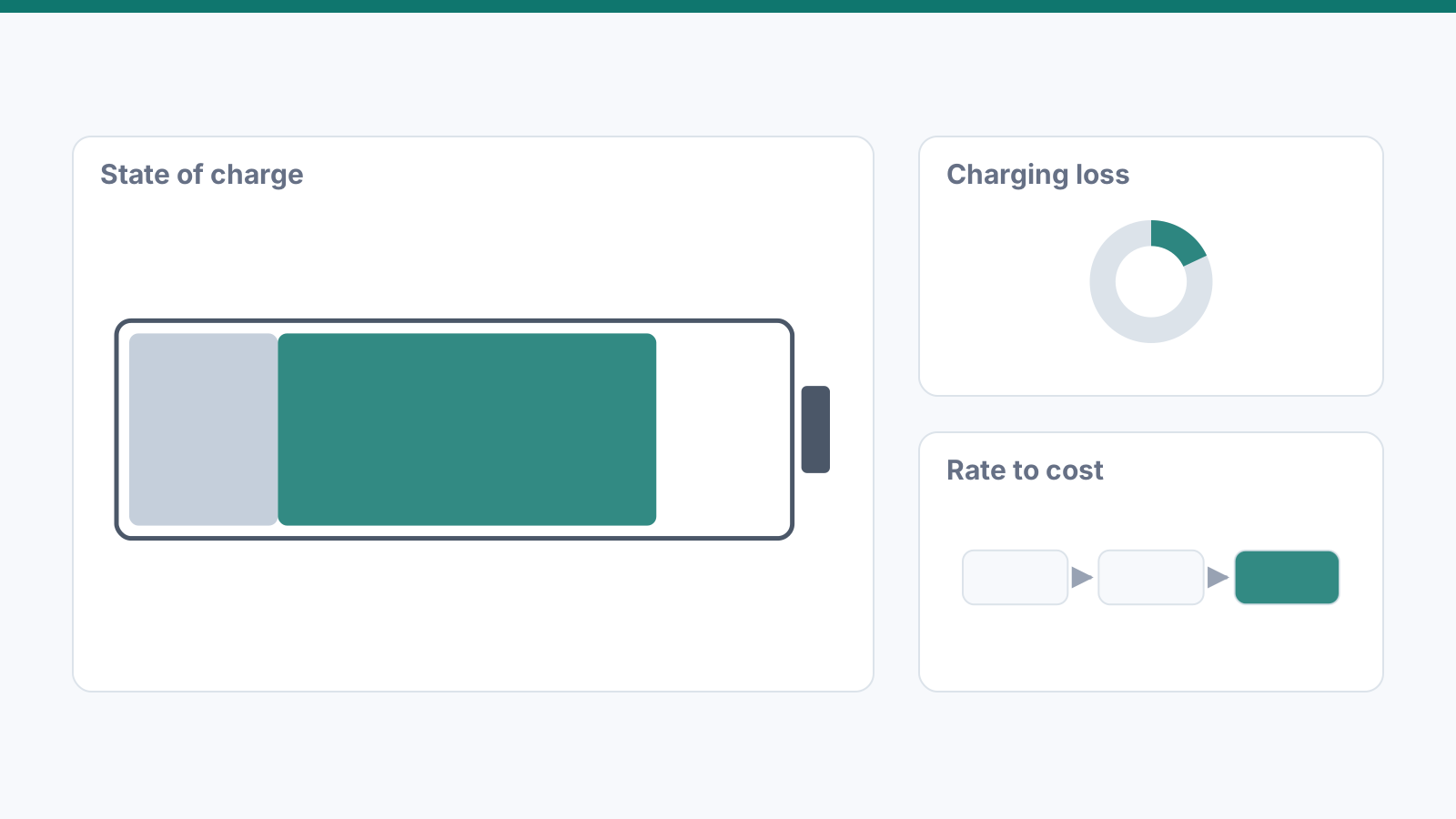
Estimating an EV charging session: use the EV Charging Cost Calculator for battery energy, wall energy, losses, and home or public charging cost. Setting a vehicle budget: use the Car Affordability Calculator before shopping. Pricing a specific purchase: use the Car Payment Calculator for tax, fees, trade-in, and monthly payment, or the Auto Loan Calculator when you already know the amount financed.
An EV battery may gain 45 kWh while the utility meter or public charger records more than 45 kWh. Conversion electronics, battery conditioning, cable resistance, and the battery itself consume or lose some energy. A charging-cost estimate should divide the energy stored by wall-to-battery efficiency, then apply the electricity price to the wall energy that is actually billed.
Home charging can vary by utility, season, and time-of-use period. Public networks may add a session, time, idle, parking, or subscription fee to an energy rate. Enter the all-in per-kWh rate for the session and add a known connection fee separately. A national average is useful for broad comparison but cannot replace the tariff or receipt that applies to one driver.
Manufacturers may advertise gross battery capacity while the vehicle exposes a smaller usable window to protect the pack. For a state-of-charge calculation, use usable capacity when it is available. Energy added equals usable capacity multiplied by the percentage-point increase, so charging a 75 kWh usable battery from 20% to 80% stores 45 kWh before charging losses.
Charging cost answers what one energy session costs. Affordability answers how much vehicle fits a household budget. Loan and payment tools answer what a specific purchase and financing offer cost each month. Keeping those questions separate prevents a low energy cost from obscuring a high payment, insurance, depreciation, registration, or repair burden.